
Aphids: Small Bugs, Sticky Consequences


Aphids arrive quietly.
No dramatic leaf skeletonization. No sudden vine collapse. Just a subtle stickiness, a slight curl at the tender tips, and a sense that something small is happening very quickly.
They are soft-bodied, pear-shaped, and unassuming—green, black, yellow, sometimes pink. Individually, they seem harmless. Collectively, they are astonishing.
What fascinates me most about aphids isn’t the damage they do (which is real), but how they live—especially their relationship with ants. Aphids may be small, but they are rarely alone.

The Ant–Aphid Alliance
Aphids feed by tapping directly into a plant’s vascular system, siphoning sugar-rich sap. They take more than they need, and the excess is excreted as a sticky substance called honeydew.
Ants love honeydew.
So much so that many ant species actively farm aphids—protecting them from predators, moving them to fresh growth, and even sheltering their eggs. In return, the ants harvest the honeydew like tiny livestock managers with six legs and a business plan.
When I see aphids exploding in number, I usually look down first. Ants marching up the stem are a dead giveaway. Where ants go, aphids follow—and thrive.
This partnership is elegant, efficient, and deeply inconvenient for gardeners.
When Conditions Are Just Right
Aphids don’t need much encouragement. Warm days, tender new growth, and a missed beat in garden care are often enough.
High summer is their moment.
I’ve learned that consistency matters more than force. Aphids don’t usually overwhelm my garden all at once—they sneak up when I'm not looking.
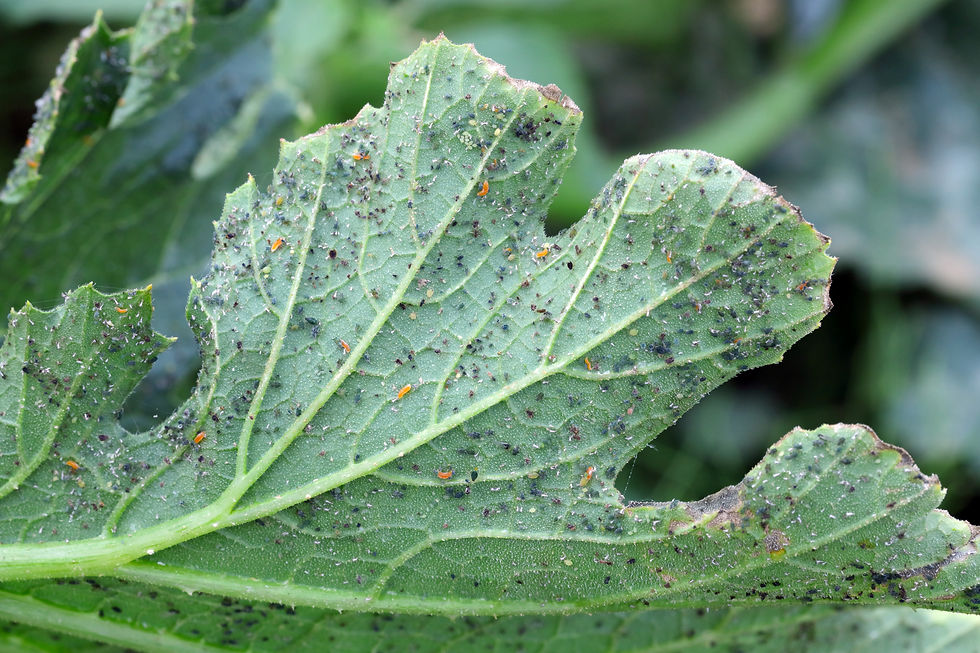
How to Tell If Aphids Have Moved In
Aphids rarely announce themselves. They whisper.
By the time you notice obvious damage, they’ve often been there awhile—feeding, multiplying, and quietly recruiting ants. These are the signs I watch for when I’m doing my garden rounds:
Curled or Distorted New Growth. Aphids favor the tender tips—new leaves, flower buds, and soft stems. If the newest growth looks puckered, twisted, or oddly stunted, take a closer look.
Sticky Leaves or Stems. That tacky feeling is honeydew. If leaves feel shiny or sticky—especially beneath new growth—aphids are likely overhead, even if you don’t see them right away.
Ant Traffic. Ants climbing stems with purpose are often the biggest clue. Where ants are actively moving up and down a plant, aphids are usually nearby, being protected and “managed.”
Clusters on the Underside of Leaves. Aphids like to hide in plain sight. Check the undersides of leaves and along stems. They often gather in tidy little colonies, blending in just enough to be missed at a glance.
A Plant That Just Looks… Tired. Sometimes it’s subtle. Growth slows. Leaves lose their perk. The plant isn’t failing—but it’s working harder than it should be.
Catching aphids early makes all the difference. Once you start looking for these signs, you’ll notice them sooner—and usually in time to respond gently rather than dramatically.
My Saturday Morning Ritual
Every Saturday morning, backpack sprayer wand in hand, I walk the garden like a slow patrol. I alternate treatments each week:
Neem oil
Insecticidal soap
Not because either is a silver bullet—but because rhythm matters. This routine keeps aphids from settling in, reproducing, and recruiting ants to their cause.
Miss a week, especially in peak summer, and they move in fast. Aphids reproduce asexually and give live birth (that freaks me out). One week of neglect can turn into a crowded neighborhood by the next.
This isn’t about eradicating every insect. It’s about staying present.

What I’ve Tried When They Get Ahead of Me
Even with good garden hygiene habits, aphids sometimes win a round. Over the years, I’ve tried a variety of interventions—some more satisfying than others.
Live Ladybugs. They’re charming. They’re effective—briefly. And then they leave. I consider them a short-term morale boost rather than a long-term solution.
The Hose. I have heard that a strong blast of water knocks aphids off easily. Maybe my hose is too powerful; it just beats the plant up. This is a tactic that needs to be done carefully and repeated daily for a week to show results.
Hand-Washing (Yes, Really). When aphids gather at the tender tips of cucumbers or tomatoes, I sometimes dip those tips directly into a shallow bowl of insecticidal soap. It’s oddly intimate gardening. Effective. And surprisingly gentle on the plant when done carefully.
Leaf Removal. When infestations are localized, removing the most affected leaves can buy time. It’s not pretty—but it’s pragmatic.
Knowing When to Let Go. Late in the season, if a plant has already given generously and aphids have fully claimed it, I sometimes concede. Pulling a tired plant can be an act of respect, not failure.
Aphids as Teachers (Reluctantly)
Aphids remind me that small things compound quickly—especially when conditions are favorable and no one is paying attention.
They reward consistency.
They exploit gaps.
They thrive in relationships.
And once you notice them, you can’t unsee the system they’re part of: ants, plants, sap, sugar, seasons, timing.
Tiny insects. Big lessons.
Growing with you,
Cindy
Disclaimer: I share products I genuinely use and trust in my own garden and kitchen. None of the links on this site are affiliate links, and I don’t receive compensation for recommendations.
